AdipoGen Life Sciences
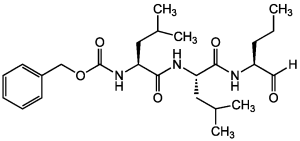
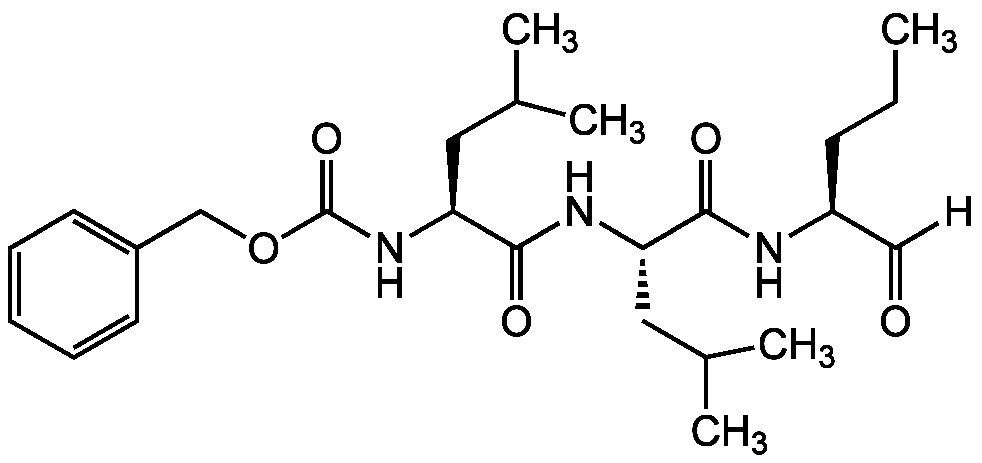
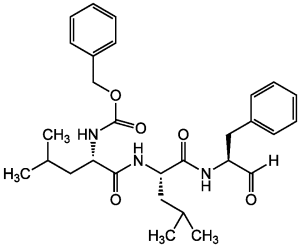
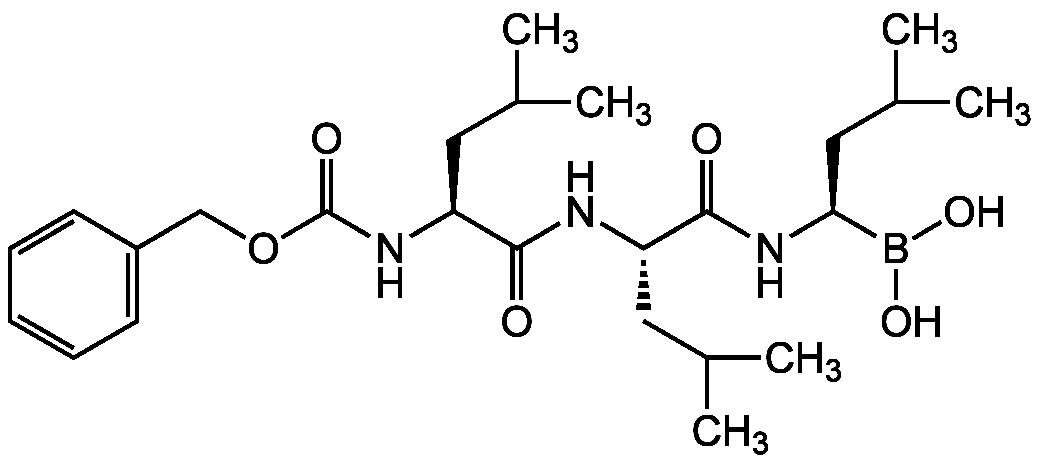
Potent, reversible and cell permeable proteasome inhibitor. Specifically inhibits the chymotrypsin-like activity of the proteasome. Calpain and cathepsin inhibitor. Apoptosis inducer in Rat-1 and PC12 cells via a p53-dependent pathway. Autophagy activator.
More Information
Supplier Page
AdipoGen Life Sciences
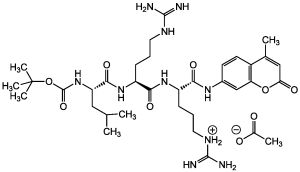
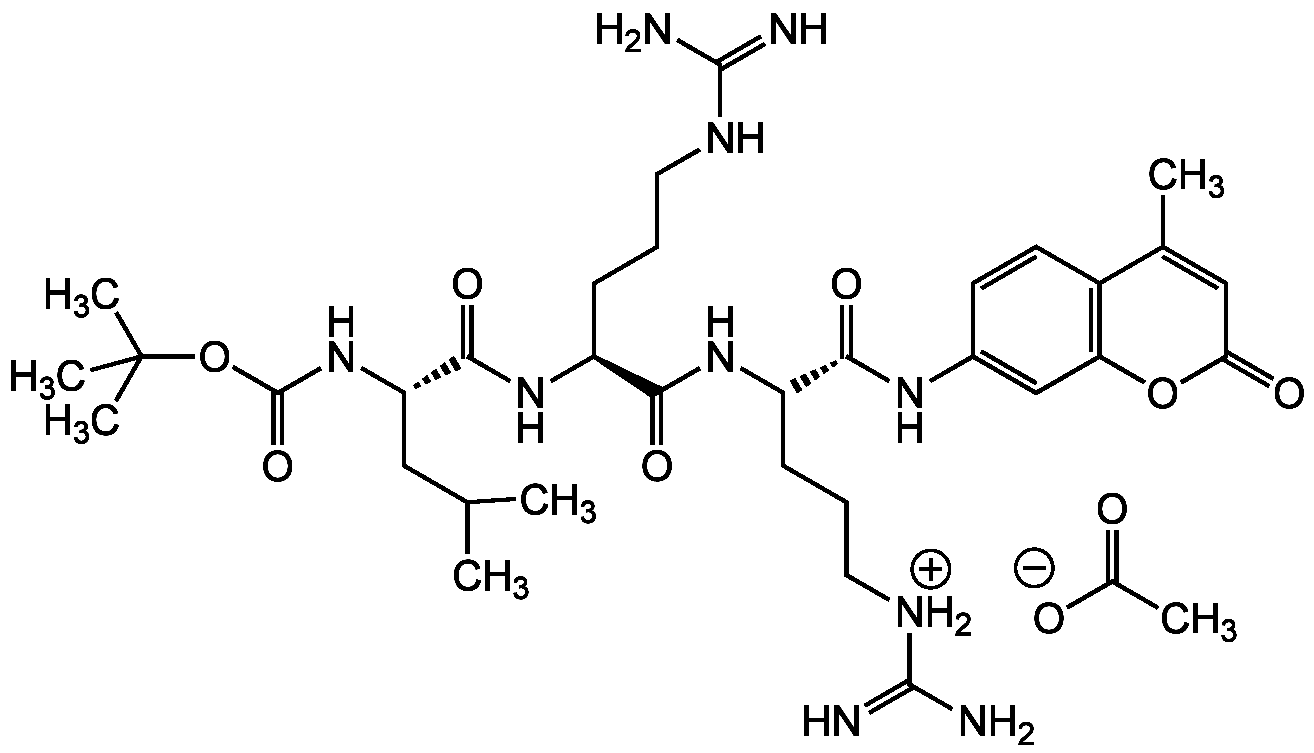
Fluorogenic tri-peptide substrate for measuring the trypsin-like peptidase activity of the 20S proteasome. Substrate for the Kex2 endopeptidase from S. Cervisiae, which has substrate specificity toward the C-terminal side of LR, PR and RR sequences. Can be cleaved by Kallikrein 5 with a P1 site preference for basic residues (R and K). Excitation: 380nm. Emission: […]
More Information
Supplier Page
AdipoGen Life Sciences
Small ubiquitin-like Modifiers (SUMOs) are a family of small, related proteins that can be enzymatically attached to a target protein by a post-translational modification process termed SUMOylation. There are four known SUMOs (SUMO1-4). All SUMO proteins share a conserved ubiquitin domain and a C-terminal diglycine cleavage/attachment site. Following cleavage of a C-terminal prosegment, the C-terminal […]
More Information
Supplier Page
AdipoGen Life Sciences
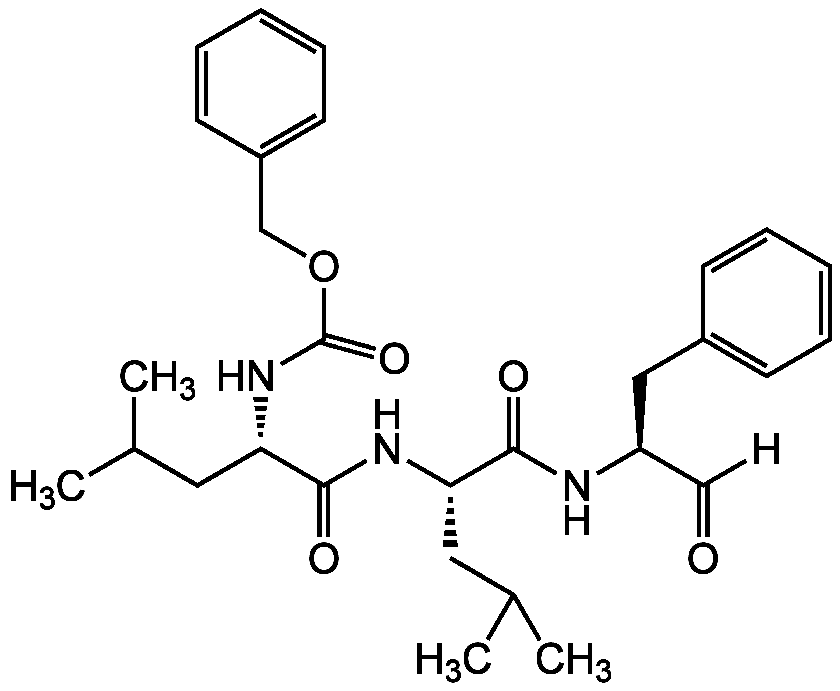
Reversible and cell permeable proteasome inhibitor. Specifically inhibits the chymotrypsin-like activity of the proteasome. Calpain and cathepsin inhibitor. Does not inhibit the peptidyl-glutamyl peptide hydrolyzing activity of MPC.
More Information
Supplier Page
AdipoGen Life Sciences
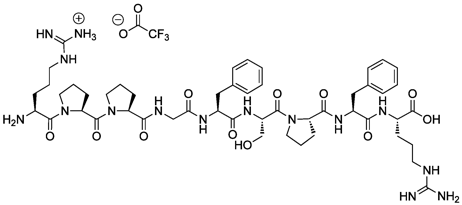
Pro-inflammatory peptide, acting through G-protein-coupled receptors. Endogenous bradykinin receptor agonist that displays selectivity for B2 over B1 receptors. Endogenously formed following pathophysiological stimuli such as inflammation, tissue damage or anoxia. Activator of endothelial nitric oxide synthase (eNOS; NOS III). Reduces blood pressure by inducing the release of prostacyclin, nitric oxide and endothelium-derived hyperpolarizing factor. Plays […]
More Information
Supplier Page
AdipoGen Life Sciences
Pro-inflammatory peptide, acting through G-protein-coupled receptors. Endogenous bradykinin receptor agonist that displays selectivity for B2 over B1 receptors. Endogenously formed following pathophysiological stimuli such as inflammation, tissue damage or anoxia. Activator of endothelial nitric oxide synthase (eNOS; NOS III). Reduces blood pressure by inducing the release of prostacyclin, nitric oxide and endothelium-derived hyperpolarizing factor. Plays […]
More Information
Supplier Page
AdipoGen Life Sciences
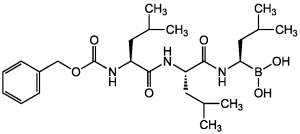
Highly potent and selective cell permeable inhibitor of the proteasome. Inhibits the chymotrypsin-like and caspase-like peptidase activity of the proteasome. Calpain and cathepsin inhibitor. Autophagy activator. Similar structure as MG-132 (AG-CP3-0011) but much higher potency.
More Information
Supplier Page
AdipoGen Life Sciences
Highly potent and selective cell permeable inhibitor of the proteasome. Inhibits the chymotrypsin-like and caspase-like peptidase activity of the proteasome. Calpain and cathepsin inhibitor. Autophagy activator. Similar structure as MG-132 (AG-CP3-0011) but much higher potency.
More Information
Supplier Page
AdipoGen Life Sciences
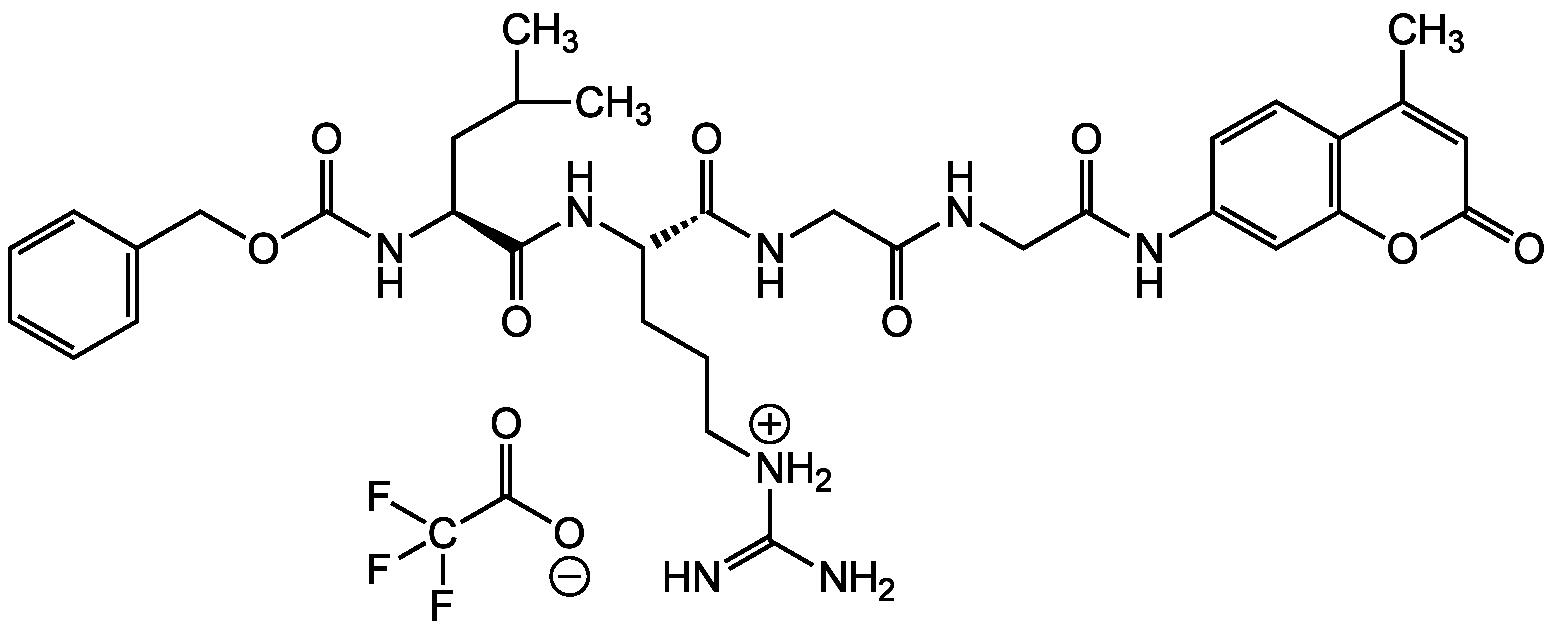
Fluorogenic tetrapeptide substrate for ubiquitin C-terminal hydrolases (UCHs, e.g. UCHL3) and isopeptidase T. LRGG is the preferred substrate sequence of the human deSUMOylating enzymes SENP6 and SENP7. Excitation: 380nm. Emission: 460nm.
More Information
Supplier Page
AdipoGen Life Sciences
Fluorogenic tetrapeptide substrate for ubiquitin C-terminal hydrolases (UCHs, e.g. UCHL3) and isopeptidase T. LRGG is the preferred substrate sequence of the human deSUMOylating enzymes SENP6 and SENP7. Excitation: 380nm. Emission: 460nm.
More Information
Supplier Page