AdipoGen Life Sciences
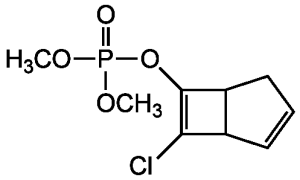
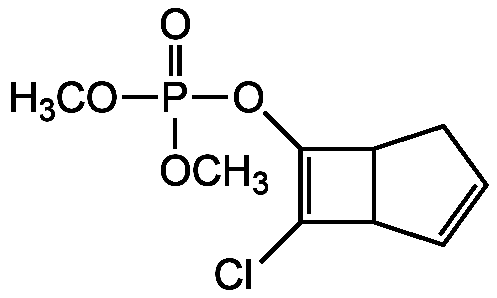
Synthetic insecticides derived from phosphoric acid, and capable of disrupting neurotransmission in insects and vertebrates. Ectoparasitocidal drug that works as an acetylcholine esterase inhibitor in arthropods. Compound can be used as analytical reference material.
More Information
Supplier Page
AdipoGen Life Sciences
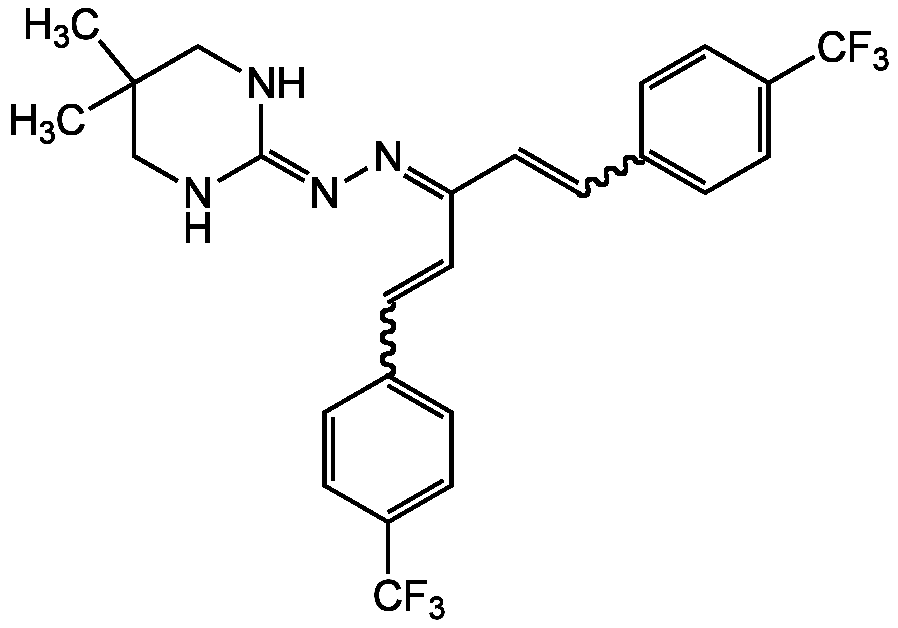
Insecticide primarily used against cockroaches and ants. Chemical class called trifluoromethyl aminohydrazone, which is a metabolic inhibitor. It works by inhibiting complex III in the mitochondrial inner membrane and leads to a halting of oxidative phosphorylation. Compound can be used as analytical reference material.
More Information
Supplier Page
AdipoGen Life Sciences
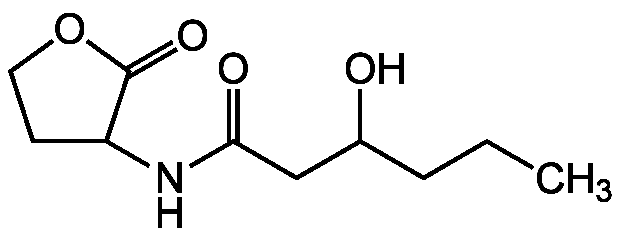
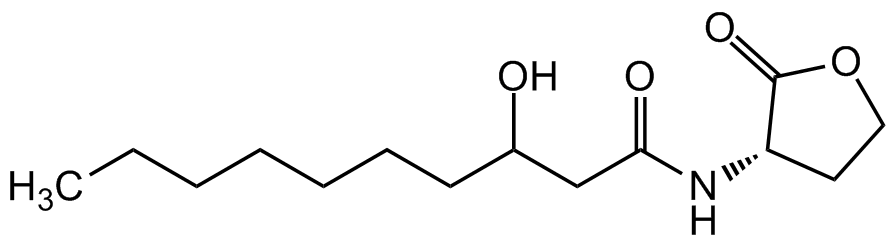
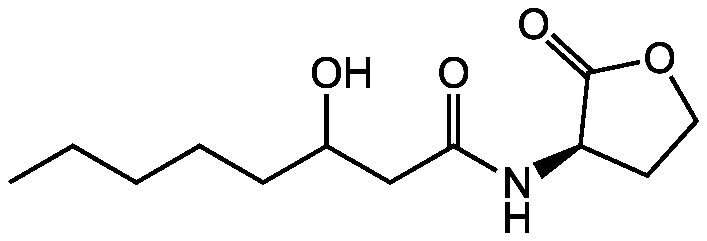
3-Hydroxy-hexanoyl-DL-homoserine lactone is a small diffusible signaling molecule and is a member of N-acyl-homoserine lactone family. N-acylhomoserine lactones (AHL) are involved in quorum sensing, controlling gene expression, and cellular metabolism. The diverse applications of this kind of molecule include regulation of virulence in general, infection prevention, and formation of biofilms.
More Information
Supplier Page
AdipoGen Life Sciences
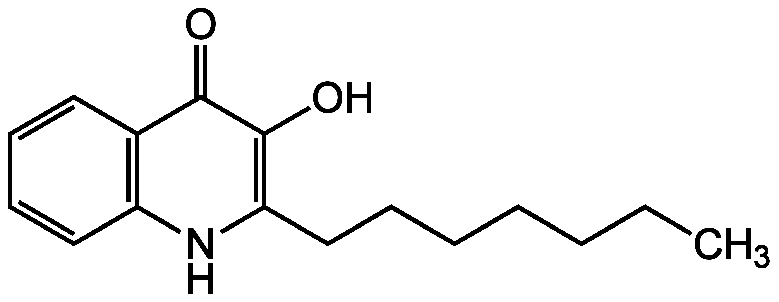
2-heptyl-3-hydroxy-4-quinolone can function as an intercellular signal. Quorum sensing-regulated virulence factor used to induce and study the regulation of virulence genes such as those involved in iron scavenging. Quorum sensing is a signaling system used by bacteria to coordinate activity based upon their population density. The system involves the exchange of signaling molecules among bacteria […]
More Information
Supplier Page
AdipoGen Life Sciences
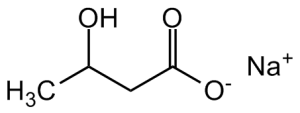
Neuroprotective compound in experimental models of neurodegenerative diseases. Shown to be oxidized as an energetic substrate in the brain during starvation. May inhibit brain glucose oxidation, which may account for the suppression of hepatic glucose production observed after administration of ketone bodies in humans.
More Information
Supplier Page
AdipoGen Life Sciences
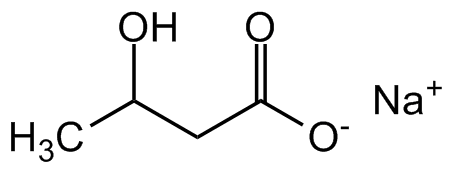
Neuroprotective compound in experimental models of neurodegenerative diseases. Shown to be oxidized as an energetic substrate in the brain during starvation. May inhibit brain glucose oxidation, which may account for the suppression of hepatic glucose production observed after administration of ketone bodies in humans.
More Information
Supplier Page