AdipoGen Life Sciences
Glycoside isolated from plants, most commonly from members of the genus Rhodiola, with many biological activities. Shown to have neuroprotective, antioxidant, antiviral, antidepressant, cardioprotective, anti-inflammatory and anticancer activity. Ameliorates insulin resistance.
More Information
Supplier Page
AdipoGen Life Sciences
Glycoside isolated from plants, most commonly from members of the genus Rhodiola, with many biological activities. Shown to have neuroprotective, antioxidant, antiviral, antidepressant, cardioprotective, anti-inflammatory and anticancer activity. Ameliorates insulin resistance.
More Information
Supplier Page
AdipoGen Life Sciences
Glycoside isolated from plants, most commonly from members of the genus Rhodiola, with many biological activities. Shown to have neuroprotective, antioxidant, antiviral, antidepressant, cardioprotective, anti-inflammatory and anticancer activity. Ameliorates insulin resistance.
More Information
Supplier Page
AdipoGen Life Sciences
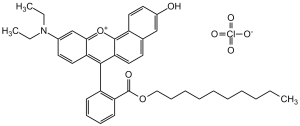
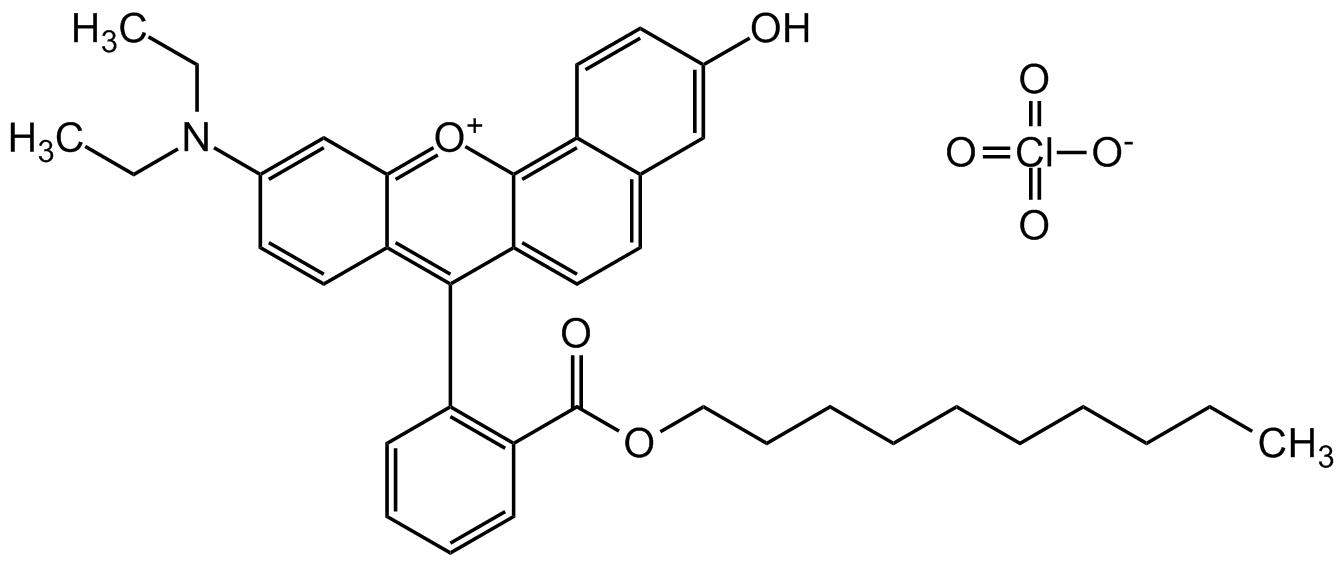
Lipophilic fluorescent pH indicator used to assay biogenic amines with optodes. The deprotonated version enables excitation with red light (LED) (Ex/Em: 605/680nm) versus the acidic form (Ex/Em: 520/600nm). The ester functionality renders the indicator molecule lipophilic and water-insoluble but also prevents lactonization of the dye in an apolar environment.
More Information
Supplier Page
AdipoGen Life Sciences
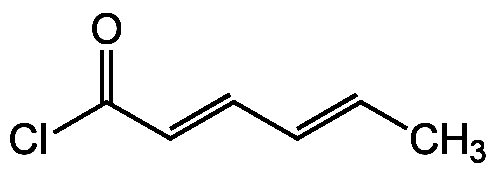
Reactant for: (1) preparation of unsaturated hydroxymethylene diphosphonic acid derivatives by reaction of trimethylsilyl phosphites, (2) asymmetrical synthesis of the isoindolinone subunit of the macrocyclic poylketide natural product muironolide via stereoselective intramolecular Diels-Alder cycloaddition, (3) preparation of emollient, humectant, and fluorescent alpha,beta-unsaturated thiol esters for long-acting skin applications, (4) stereoselective synthesis of enediol carbonates for […]
More Information
Supplier Page
AdipoGen Life Sciences
Lipophilic fluorescent pH indicator used to assay biogenic amines with optodes. The deprotonated version enables excitation with red light (LED) (Ex/Em: 605/680nm) versus the acidic form (Ex/Em: 520/600nm). The ester functionality renders the indicator molecule lipophilic and water-insoluble but also prevents lactonization of the dye in an apolar environment.
More Information
Supplier Page