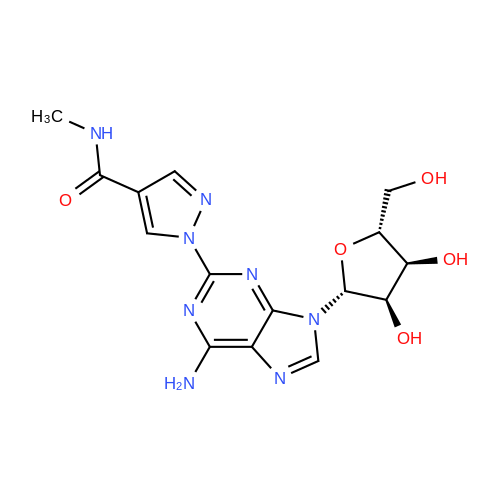

PFK-015 100mg | ≥99%
CSNpharm
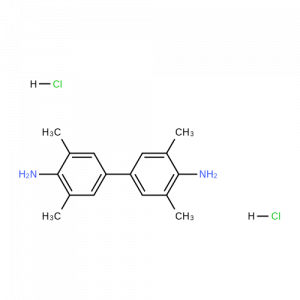
PFK-015 is an effective inhibitor of PFKFB3 with IC50 of 110 nM (recombinant PFKFB3) and inhibits PFKFB3 activity in cancer cells with IC50 of 20 nM.
More Information Supplier PagePFK-015
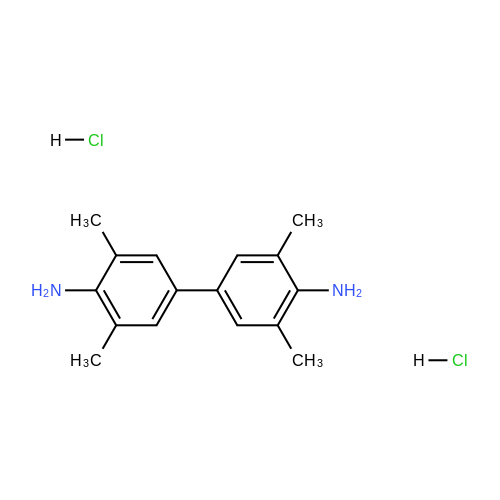
PFK-015 is an effective inhibitor of PFKFB3 with IC50 of 110 nM (recombinant PFKFB3) and inhibits PFKFB3 activity in cancer cells with IC50 of 20 nM.
More Information Supplier Page 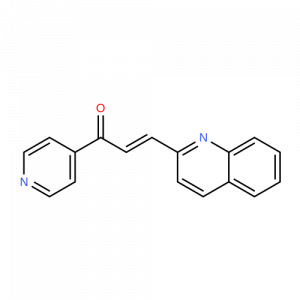
PFK-015 is an effective inhibitor of PFKFB3 with IC50 of 110 nM (recombinant PFKFB3) and inhibits PFKFB3 activity in cancer cells with IC50 of 20 nM.
More Information Supplier Page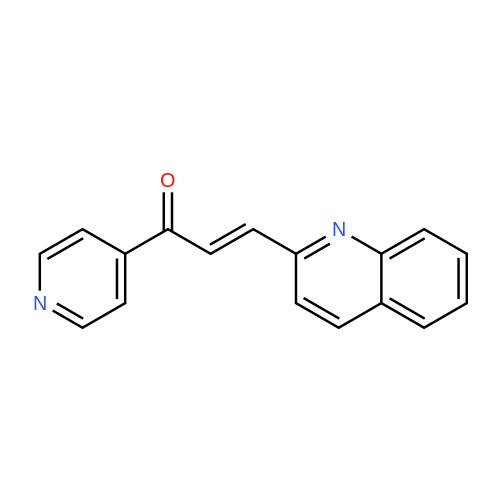
Rucaparib is an inhibitor of PARP with Ki of 1.4 nM for PARP1, also showing binding affinity to eight other PARP domains.
More Information Supplier Page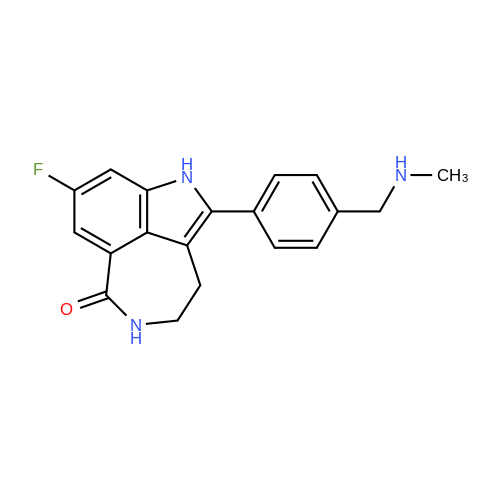
Rucaparib is an inhibitor of PARP with Ki of 1.4 nM for PARP1, also showing binding affinity to eight other PARP domains.
More Information Supplier Page 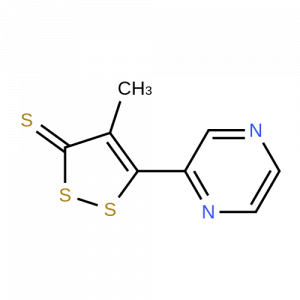
Rucaparib is an inhibitor of PARP with Ki of 1.4 nM for PARP1, also showing binding affinity to eight other PARP domains.
More Information Supplier Page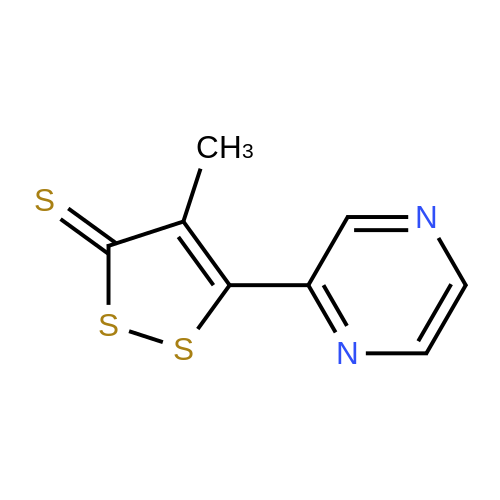
Rucaparib is an inhibitor of PARP with Ki of 1.4 nM for PARP1, also showing binding affinity to eight other PARP domains.
More Information Supplier Page
Rucaparib is an inhibitor of PARP with Ki of 1.4 nM for PARP1, also showing binding affinity to eight other PARP domains.
More Information Supplier Page 
Brimonidine tartrate is an α-adrenergic receptor agonist with EC50 of 0.45 nM for the α2A adrenoreceptor, used to treat glaucoma through a dual mechanism of action by reducing aqueous humor production and increasing uveoscleral outflow.
More Information Supplier Page
Brimonidine tartrate is an α-adrenergic receptor agonist with EC50 of 0.45 nM for the α2A adrenoreceptor, used to treat glaucoma through a dual mechanism of action by reducing aqueous humor production and increasing uveoscleral outflow.
More Information Supplier Page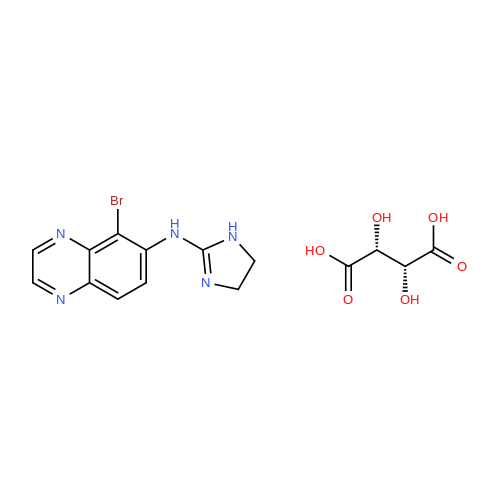
Brimonidine tartrate is an α-adrenergic receptor agonist with EC50 of 0.45 nM for the α2A adrenoreceptor, used to treat glaucoma through a dual mechanism of action by reducing aqueous humor production and increasing uveoscleral outflow.
More Information Supplier Page