TargetMol
(±)-10-Hydroxycamptothecin is an alkaloid isolated from the stem wood of the Chinese tree, Camptotheca acuminata. This compound selectively inhibits the nuclear enzyme DNA topoisomerase, type I. Several semisynthetic analogs of camptothecin have demonstrated antitumor activity.
More Information
Supplier Page
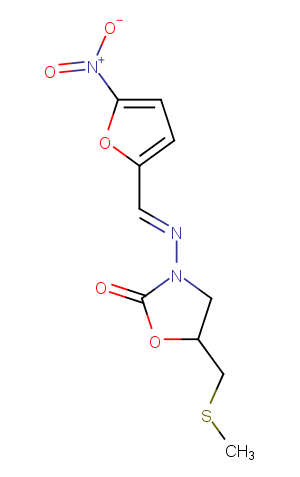
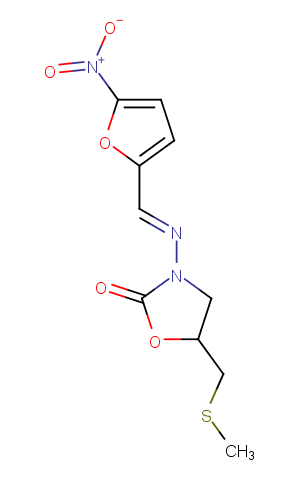
Nifuratel
100 mg
| Purity Not Available
TargetMol
TargetMol
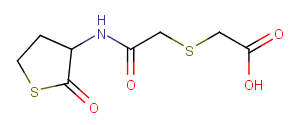
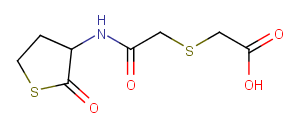
Erdosteine
50 mg
| Purity Not Available
TargetMol
Erdosteine is a homocysteine-derived thiol derivative with mucolytic and free radical scavenging properties. Erdosteine and its metabolites modulate mucus production and viscosity, by which facilitating mucociliary transport and improving expectoration. This agent also suppresses the chemical-induced cough reflex as well as protects lung tissues from damages caused by cigarette smoking mediated through free radicals scavenging.
More Information
Supplier Page
TargetMol
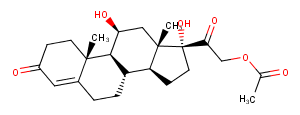
Hydrocortisone acetate is the synthetic acetate salt form of hydrocortisone, a corticosteroid with anti-inflammatory and immunosuppressive properties.
More Information
Supplier Page
TargetMol
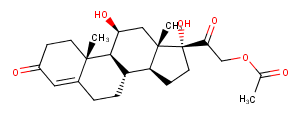
Hydrocortisone acetate is the synthetic acetate salt form of hydrocortisone, a corticosteroid with anti-inflammatory and immunosuppressive properties.
More Information
Supplier Page
TargetMol
TargetMol
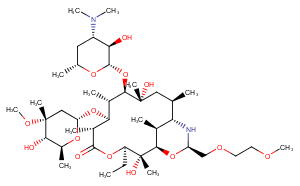
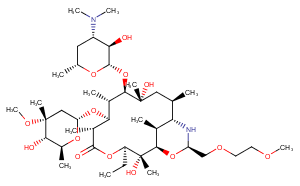
Dirithromycin is a macrolide glycopeptide antibiotic. It is used to treat many different types of bacterial infections, such as bronchitis, pneumonia, tonsillitis, and even skin infections.
More Information
Supplier Page
TargetMol
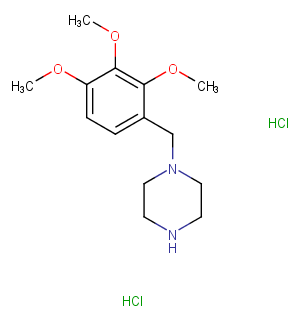
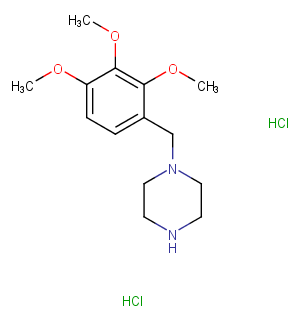
Trimetazidine dihydrochloride can improve myocardial glucose utilization by inhibiting fatty acid metabolism. Trimetazidine is the first cytoprotective anti-ischemic agent, also used as a vasodilator in ischemic heart disease or angina.
More Information
Supplier Page
TargetMol
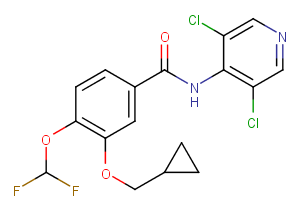
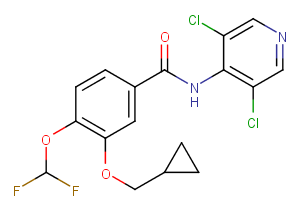
Roflumilast is an orally available, long-acting inhibitor of phosphodiesterase (PDE) type 4 (PDE4), with anti-inflammatory and potential antineoplastic activities. Upon administration, roflumilast and its active metabolite roflumilast N-oxide selectively and competitively bind to and inhibit PDE4, which leads to an increase of both intracellular levels of cyclic-3′, 5′-adenosine monophosphate (cAMP) and cAMP-mediated signaling.
More Information
Supplier Page