TargetMol
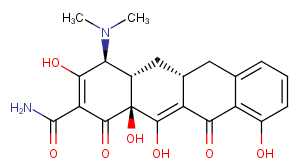
sancycline is a rare semi-synthetic tetracycline, acts by reversibly binding to the 30S ribosomal subunit and inhibiting protein translation by blocking entry of aminoacyl-tRNA into the ribosome A site.
More Information
Supplier Page
TargetMol
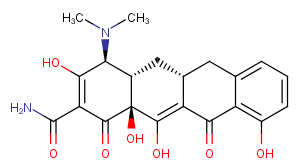
sancycline is a rare semi-synthetic tetracycline, acts by reversibly binding to the 30S ribosomal subunit and inhibiting protein translation by blocking entry of aminoacyl-tRNA into the ribosome A site.
More Information
Supplier Page
TargetMol
sancycline is a rare semi-synthetic tetracycline, acts by reversibly binding to the 30S ribosomal subunit and inhibiting protein translation by blocking entry of aminoacyl-tRNA into the ribosome A site.
More Information
Supplier Page
TargetMol
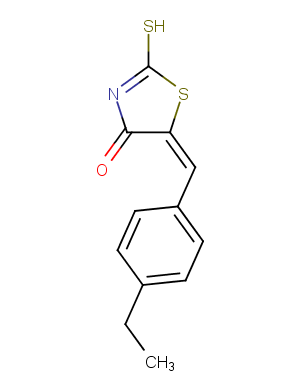
10058-F4 is a cell-permeable thiazolidinone that specifically inhibits the c-Myc-Max interaction and prevents transactivation of c-Myc target gene expression; induces cell-cycle arrest and apoptosis.
More Information
Supplier Page
TargetMol
TargetMol
TargetMol
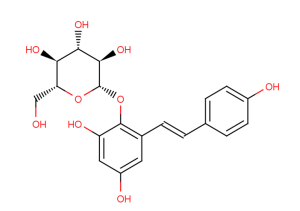
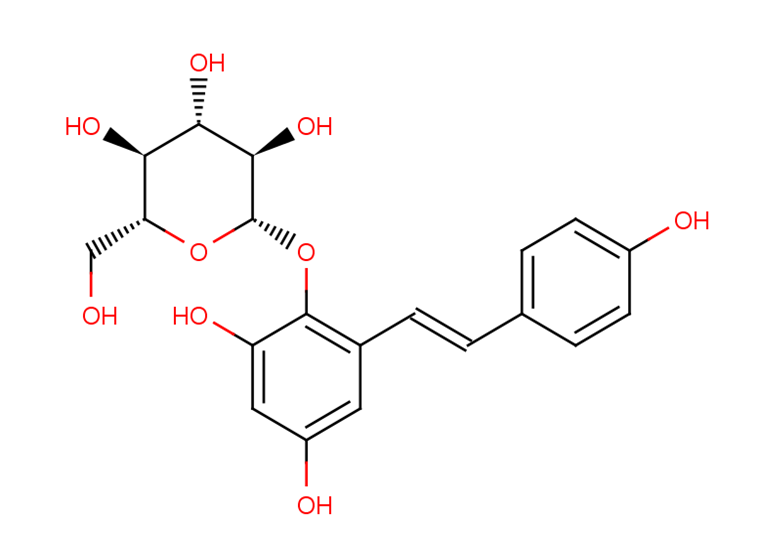
2,3,5,4′-Tetrahydroxystilbene 2-O-β-D-glucoside (Astragalus polyphenols) is a compound isolated from the roots of Polygonum species, inhibits the formation of 5-HETE, HHT and thromboxane B2.
More Information
Supplier Page
TargetMol
2,3,5,4′-Tetrahydroxystilbene 2-O-β-D-glucoside (Astragalus polyphenols) is a compound isolated from the roots of Polygonum species, inhibits the formation of 5-HETE, HHT and thromboxane B2.
More Information
Supplier Page
Stigmasterol
100 mg
| Purity Not Available
TargetMol
Stigmasterol is found in the fats and oils of soybean, calabar bean and rape seed, as well as several other vegetables, legumes, nuts, seeds, and unpasteurized milk. Stigmasterol has been focused on the cholesterol-lowering activity and is valued as an anti-stiffness factor in the therapy of rheumatic diseases.
More Information
Supplier Page
TargetMol
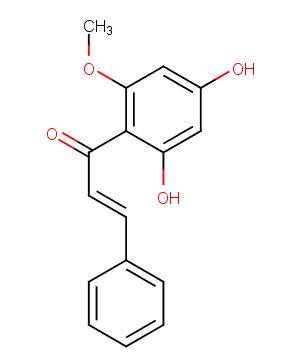
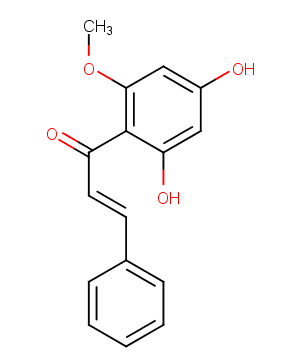
(E)-Cardamonin (Alpinetin chalcone) is a chalconoid that has been isolated from several plants including Alpinia katsumadai and Alpinia conchigera. It is a novel antagonist of hTRPA1 cation channel with an IC50 of 454 nM. It has received growing attention from the scientific community due to the expectations toward its benefits to human health.
More Information
Supplier Page