

Metoclopramide hydrochloride 100 mg | 99.94%
TargetMol
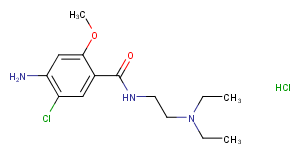
Metoclopramide hydrochloride is a selective dopamine D2 receptor antagonist, used as an antiemetic.
More Information Supplier PageMetoclopramide hydrochloride
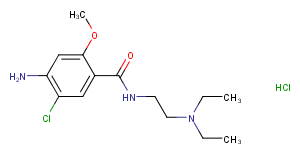
Metoclopramide hydrochloride is a selective dopamine D2 receptor antagonist, used as an antiemetic.
More Information Supplier Page 
Baclofen is a synthetic chlorophenyl-butanoic acid derivative used to treat spasms due to spinal cord damage and multiple sclerosis, muscle-relaxing Baclofen acts as a gamma-aminobutyric acid (GABA) agonist specific for GABA-B receptors. It acts at spinal and supraspinal sites, reducing excitatory transmission.
More Information Supplier Page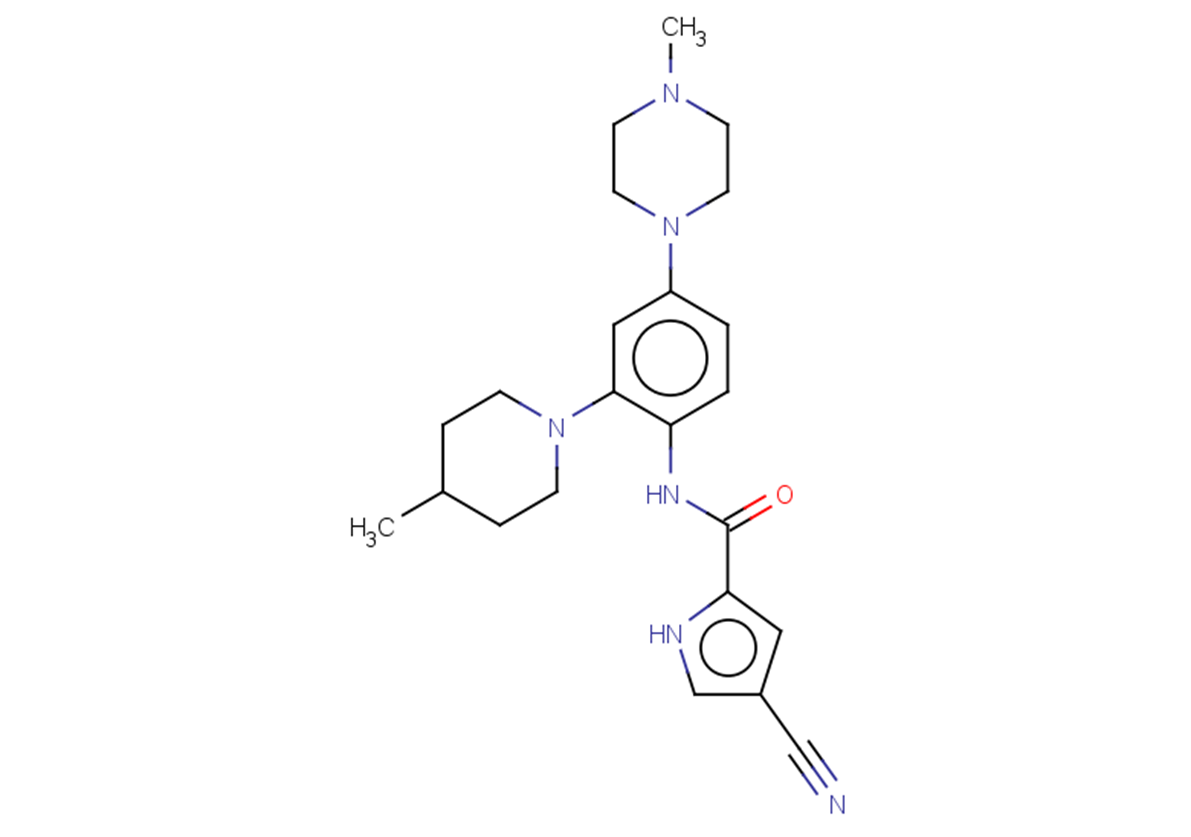
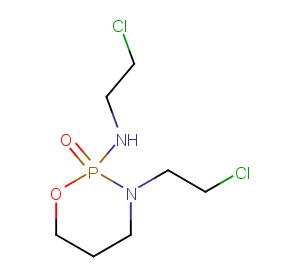
Ifosfamide alkylates and forms DNA crosslinks, thereby preventing DNA strand separation and DNA replication. Ifosfamide is a synthetic analog of the nitrogen mustard cyclophosphamide with antineoplastic activity. This agent is a prodrug that must be activated through hydroxylation by hepatic microsomal enzymes.
More Information Supplier Page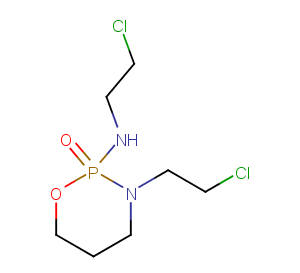
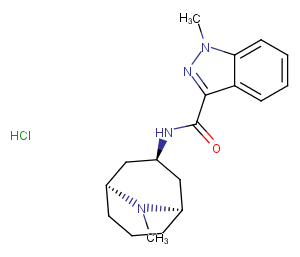
Granisetron hydrochloride is a serotonin receptor (5HT-3 selective) antagonist that has been used as an antiemetic for cancer chemotherapy patients.
More Information Supplier Page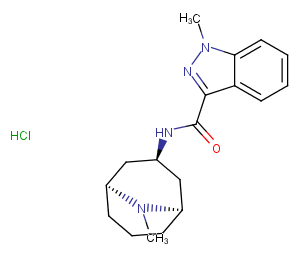
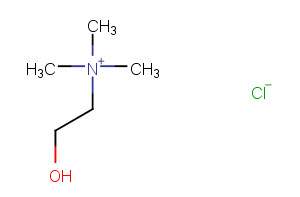
Choline chloride is a basic constituent of lecithin that is found in many plants and animal organs. It is important as a precursor of acetylcholine, as a methyl donor in various metabolic processes, and in lipid metabolism.
More Information Supplier Page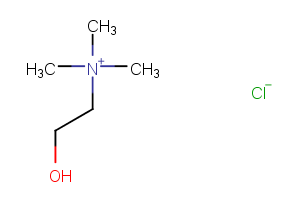

(R)-Naproxen, an anti-inflammatory agent, has antipyretic and analgesic properties. Both the acid and its sodium salt are used in the therapy of acute gout or dysmenorrhea, musculoskeletal disorders, rheumatoid arthritis and other rheumatic.
More Information Supplier Page
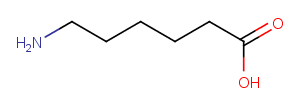
Aminocaproic acid is an antifibrinolytic agent that acts by inhibiting plasminogen activators which have fibrinolytic properties.
More Information Supplier Page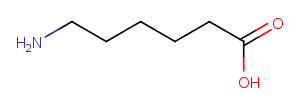
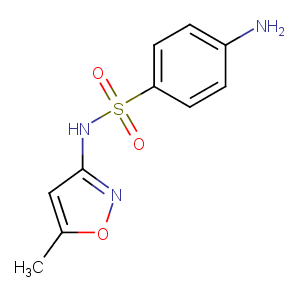
Sulfamethoxazole is a Sulfonamide Antimicrobial. The mechanism of action of sulfamethoxazole is as a Cytochrome P450 2C9 Inhibitor. The chemical classification of sulfamethoxazole is Sulfonamides.
More Information Supplier Page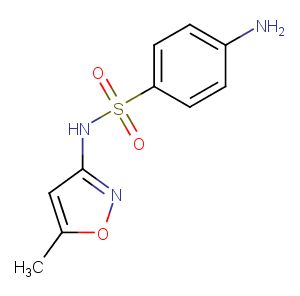

Tinidazolea is a 5-nitroimidazole derivative with the antiprotozoal property. Although the mechanism of action has not been fully elucidated, it has been suggested that tinidazole is metabolized and yields nitrite anions and metronidazole. Metronidazole’s nitro group, in turn, is reduced via the parasite ferredoxin, thereby generating a series of free nitro radicals including nitro anions. […]
More Information Supplier Page
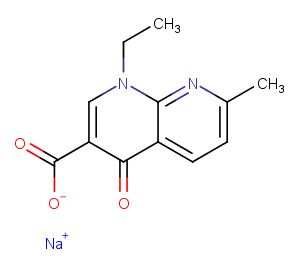
Nalidixic acid sodium salt is an antimicrobial agent with a limited bacteriocidal spectrum.
More Information Supplier Page